All Categories
Featured


How to Difficulty an Expired Financial Obligation Claim in 2026
Table of Contents
The Present State of Financial Obligation Collection in 2026
Consumer finance went through significant shifts as 2026 began. Automated systems and artificial intelligence now drive the bulk of preliminary creditor outreach, making it simpler for firms to call people throughout various metropolitan areas. While the technology used by collectors has actually changed, the legal protections established by federal and state governments stay the main defense for customers. Understanding these rights is the initial step toward gaining back control over a challenging financial circumstance. Many people come across financial obligation collectors through call, however in 2026, digital messages by means of social networks and encrypted apps have ended up being standard practice. These approaches are strictly regulated to prevent harassment and make sure personal privacy.
Federal law determines how and when a collector can make contact. The Fair Financial Obligation Collection Practices Act (FDCPA) continues to be the most pertinent piece of legislation for homeowners in the local region. Under these guidelines, collectors can not call before 8 a.m. or after 9 p.m. in the customer's time zone. They are likewise forbidden from contacting people at work if they have actually been informed that the employer does not enable such calls. Proficiency in Credit Counseling provides the necessary background for understanding these credit laws and how they apply to modern communication techniques. When a collector overlooks these boundaries, they may be liable for damages in a law court.
Digital Communication and Customer Privacy
Current updates to Guideline F have clarified how financial obligation collectors use email and text. In 2026, a collector must provide a clear and simple method for a consumer to pull out of digital interactions. If a person requests that a collector stop texting them, the firm must honor that demand right away. Collectors can not post about a debt on a public social media page where pals, family, or employers may see it. Personal messages are allowed, however the collector needs to recognize themselves as a financial obligation collector in the very first message. This openness avoids misleading practices that prevailed in previous years.
Validation notifications have likewise progressed. When a collector first contacts someone in the local vicinity, they need to send a written notice within 5 days. This file should include the quantity of the debt, the name of the creditor, and a declaration explaining the consumer's right to challenge the financial obligation within thirty days. If the financial obligation is contested in composing, the collector needs to stop all collection activity till they offer verification of the debt. This pause offers the specific time to seek professional guidance or validate that the financial obligation actually belongs to them. Mandatory Credit Counseling Programs stays a viable option for those overwhelmed by multiple high-interest accounts and aggressive collection strategies.
Nonprofit Resources and Financial Obligation Management
Many individuals facing aggressive collection efforts turn to U.S. Department of Justice-approved 501(c)(3) nonprofit credit counseling companies. These organizations provide complimentary credit counseling and help people understand their alternatives without the predisposition of a for-profit lending institution. A main tool utilized by these companies is the financial obligation management program. This program combines numerous monthly responsibilities into a single payment, which the firm then distributes to lenders. This typically leads to substantially lower interest rates and the waiver of late charges, making the financial obligation a lot easier to settle in time.
These not-for-profit companies run across the country, providing geo-specific services throughout every state in the nation. By partnering with regional community groups and monetary organizations, they make sure that help is available despite an individual's location. Due to the fact that they are DOJ-approved, these agencies also offer necessary pre-bankruptcy therapy and pre-discharge debtor education. This is a requirement for anyone looking for legal relief through the court system in 2026. Dependence on Credit Counseling in North Carolina is common among residents facing unexpected medical costs or task loss who need structured assistance to prevent insolvency.
Securing Your Rights Against Harassment
Harassment stays prohibited despite how much money is owed. Collectors are forbidden from using profane language, making hazards of violence, or consistently ringing a phone with the intent to irritate. In 2026, "debt parking"-- the practice of putting an unverified debt on a credit report to force payment-- is likewise a major focus for regulators. Consumers must routinely inspect their credit reports to guarantee no unauthorized collections have actually appeared. If a collector makes a false claim, such as threatening arrest or declaring to be a law enforcement officer, they remain in direct violation of federal law.
Writing a cease and desist letter is an effective tool for those who want to stop the call completely. As soon as a collector gets a composed demand to stop contact, they may just call the individual one more time to acknowledge the letter or to notify them that a particular legal action, such as a claim, is being taken. While this does not erase the debt, it supplies psychological relief from the constant pressure of collection calls. It is typically throughout this peaceful duration that people work with a therapist to produce a sustainable budget plan or sign up with a debt management strategy.
Real Estate Counseling and Monetary Literacy
The relationship between unsecured financial obligation and real estate stability is a major concern for homeowners in the surrounding area. HUD-approved real estate therapy is typically offered through the same nonprofit networks that offer credit recommendations. These services help homeowners browse foreclosure prevention and assist occupants in comprehending their rights during monetary difficulty. Financial literacy education is another pillar of the nonprofit objective, teaching individuals how to handle money flow and use credit properly to prevent future concerns with collectors.
Community-based organizations and independent affiliates extend the reach of these programs into varied areas. By supplying culturally appropriate education and regional resources, these groups help demystify the intricate world of financial obligation and credit. In 2026, the focus has moved toward proactive monetary health rather than just responding to crises. Many individuals find that engaging with a credit counselor early while doing so avoids the requirement for more drastic measures in the future. These specialists offer a buffer between the customer and the collector, working out terms that the individual might not be able to secure on their own.
Actions to Take When Gotten in touch with
If a collector calls today, the primary step is to remain calm and collect details. Do not admit to the financial obligation or make a payment over the phone until the debt has actually been verified in writing. Request for the collector's name, their business's name, their professional license number, and their mailing address. Recording these information is essential for preserving a proof. If the collector refuses to provide this info, it is a significant warning that the call might be a rip-off or a dishonest company.
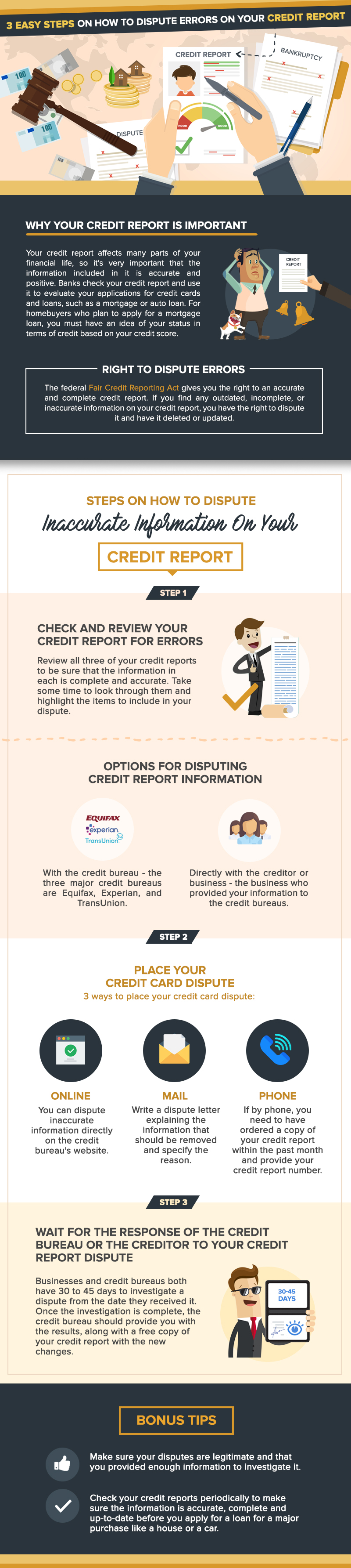
After getting the validation notification, compare the information with personal records. If there are disparities, submit an official conflict. This action requires the collector to supply proof of the financial obligation's validity. Throughout this time, seeking advice from a not-for-profit company can help figure out if the debt is within the statute of constraints. Every state has a time frame on the length of time a financial institution needs to sue for a financial obligation. In 2026, these limits vary, but when a financial obligation is "time-barred," a collector can no longer use the court system to require payment, though they may still attempt to contact the debtor in some jurisdictions.
Browsing the world of financial obligation collection requires a mix of legal knowledge and professional assistance. By utilizing the defenses used by the FDCPA and the resources provided by DOJ-approved nonprofits, individuals can approach financial healing. The objective is always to deal with the debt in a way that is fair and sustainable, ensuring that standard needs like housing and energies are focused on over aggressive collection needs.

Latest Posts
New Statutes for Avoiding Foreclosure in Your Area

The Development of Credit Reporting Regulations in 2026
The Very Best Ways to Pay For Cards in Your Area